Visibility and appearance
Define the required transparency, colour and surface appearance. Examine the formed part as well as the flat sheet, especially around corners and deeper sections.

MATERIAL GUIDE / PET
Polyethylene terephthalate
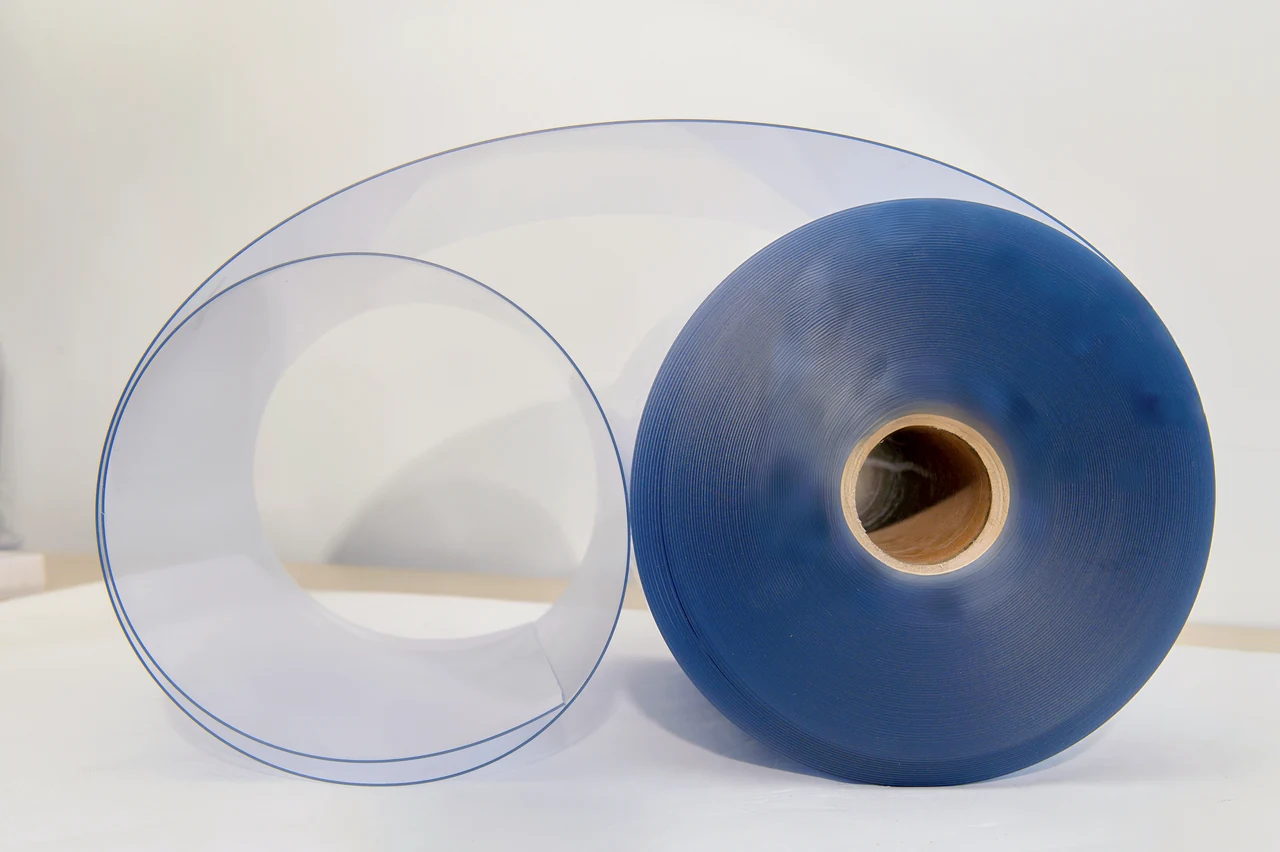
PET sheets are widely used for packaging where product visibility and shape definition matter. Material selection involves more than transparency: the PET structure, recycled content, forming process and intended use must be considered together when developing the finished packaging specification.

01 / MATERIAL BASICS
APET and CPET describe different structural states of PET. APET refers to amorphous PET, commonly associated with clear packaging for ambient and chilled applications. CPET refers to crystallised PET used in selected heat-resistant packaging. They should not be treated as interchangeable simply because both belong to the PET family.
rPET describes recycled origin, rather than a separate heat-resistance category. Recycled content alone does not establish clarity, food-contact suitability or oven performance. APET, CPET and rPET are explained here as industry terms; the material, structure and documentation available for a particular order need to be discussed separately.
This guide explains material families and selection considerations. Available specifications and suitability are reviewed for the selected grade and application.
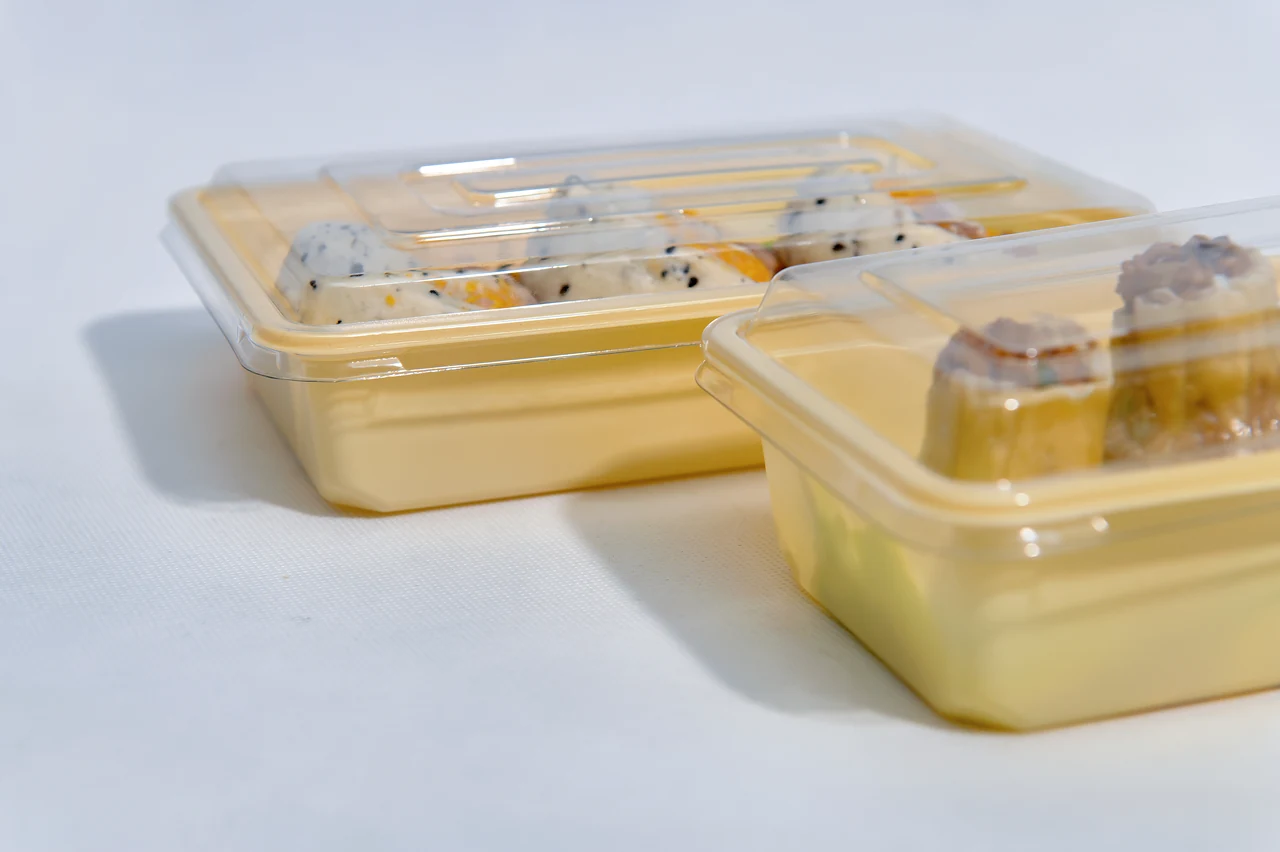
MATERIAL PHOTOGRAPHY
02 / SELECTION
Define the required transparency, colour and surface appearance. Examine the formed part as well as the flat sheet, especially around corners and deeper sections.
Separate ambient or chilled display from reheating and oven use. Include storage conditions, handling loads and exposure times when describing the application.
Specify the lid or closure, sealing process and any barrier requirements. Shelf-life performance depends on the complete pack and its contents, not the PET name alone.
03 / APPLICATIONS
Clear trays, punnets and covers where visibility, pack shape and handling are priorities.
Tray projects where sealing, storage conditions and food-contact requirements are assessed together.
Blisters and display packs requiring product visibility, formed detail and a defined closure method.
Application examples describe possible uses of the material family. Share the intended contents, conditions and documents required for your project.
04 / SHEETNEX SUPPLY REFERENCE
Rolls and cut sheets, with the final specification agreed for your order.
Widths shown are typical ranges. Other widths and structures can be discussed. Roll weight is separate from the order minimum; specification mix, thickness range, roll diameter and cut-sheet dimensions are confirmed with your quotation.
For most orders, production can be completed and the goods handed over to the carrier within 7 days after the order and specifications are confirmed. Transit time is additional and depends on the destination and shipping method. Large orders, custom specifications and special finishes require a separately confirmed production schedule.
05 / YOUR INQUIRY
Send the details you have. Mark anything still undecided for discussion.
Share the packed product, dimensions, drawing and required transparency or colour.
State any specified PET type or recycled-content requirement, including supporting documentation needed.
Provide feed format, target sheet dimensions, part depth and the lid or sealing arrangement.
Describe storage and heating conditions, contact with food, target market and required tests.
06 / COMMON QUESTIONS
No. APET and CPET distinguish structural states, while rPET identifies recycled origin. Specify the performance and recycled-content requirements separately instead of using one term as a substitute for the other.
It can be suitable when the material, recycling process and intended use meet applicable requirements. Recycled content or a multilayer structure alone is insufficient evidence. Request documentation relevant to the specific material and application.
No. The code identifies the resin. Collection and recycling depend on local systems and the finished packaging, including its other components. Check the destination's collection guidance before making a recyclability claim.
LET’S TALK MATERIALS
A drawing, sample photograph or equipment specification is a useful starting point.