Formed shape and closure
For blisters and trays, share the draw depth, corners, flange and closure design. Include the mating card, film or other component when asking about sealing or assembly.

MATERIAL GUIDE / PVC
Polyvinyl chloride
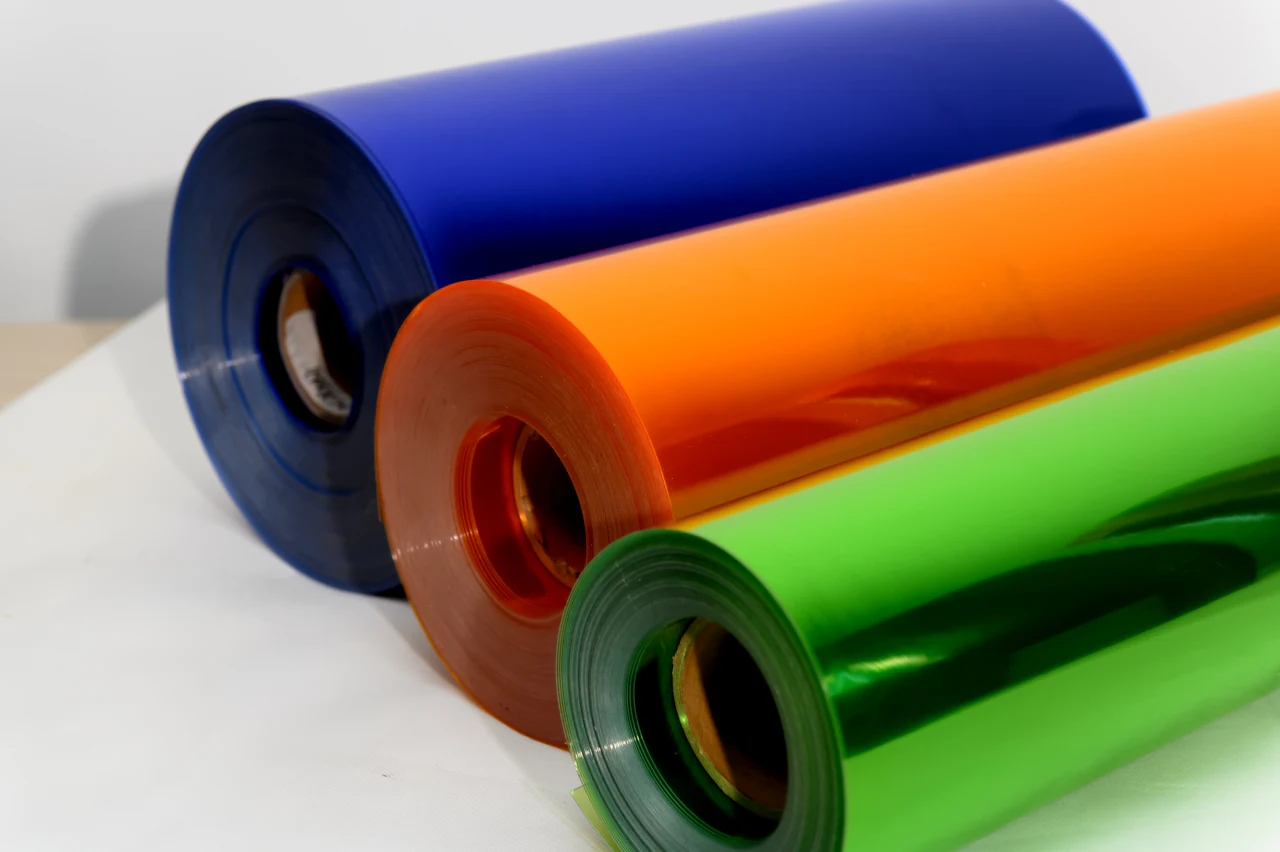
Rigid PVC is used in thermoformed packaging and converted sheet products, including blisters, inserts and folding boxes. Selecting a suitable sheet involves the forming or folding process, appearance, handling conditions and requirements for the product's intended market and end use.
01 / MATERIAL BASICS
Rigid PVC sheet is one member of a broad PVC material family. Formulations and sheet properties vary with the application. A sheet intended for thermoforming and a film intended for folding boxes can have different priorities for processing and finished appearance.
Start with the converting route: heating and forming a cavity, cutting and creasing a box, or printing and assembling a cover. Explain the complete process and the conditions the finished product will encounter, including storage and transport.
This guide explains material families and selection considerations. Available specifications and suitability are reviewed for the selected grade and application.
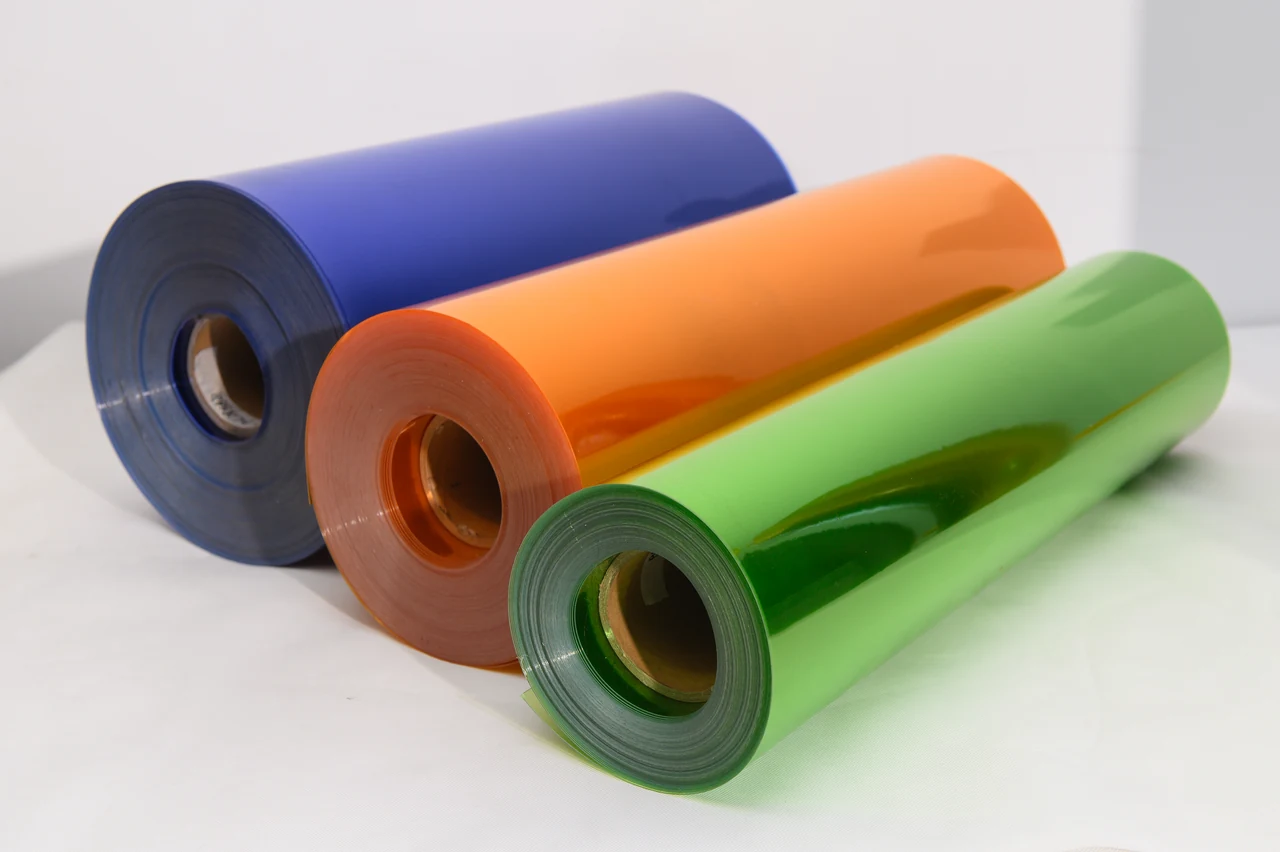
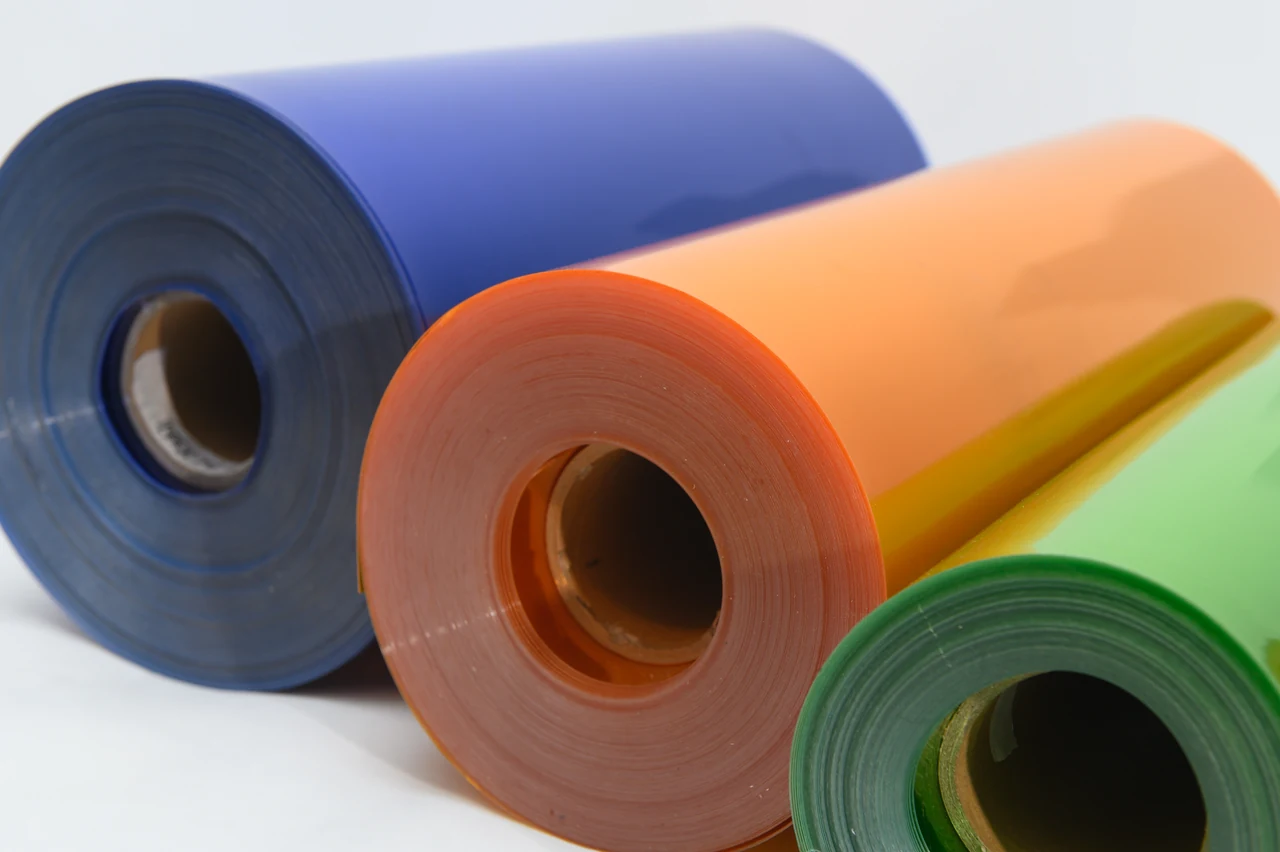
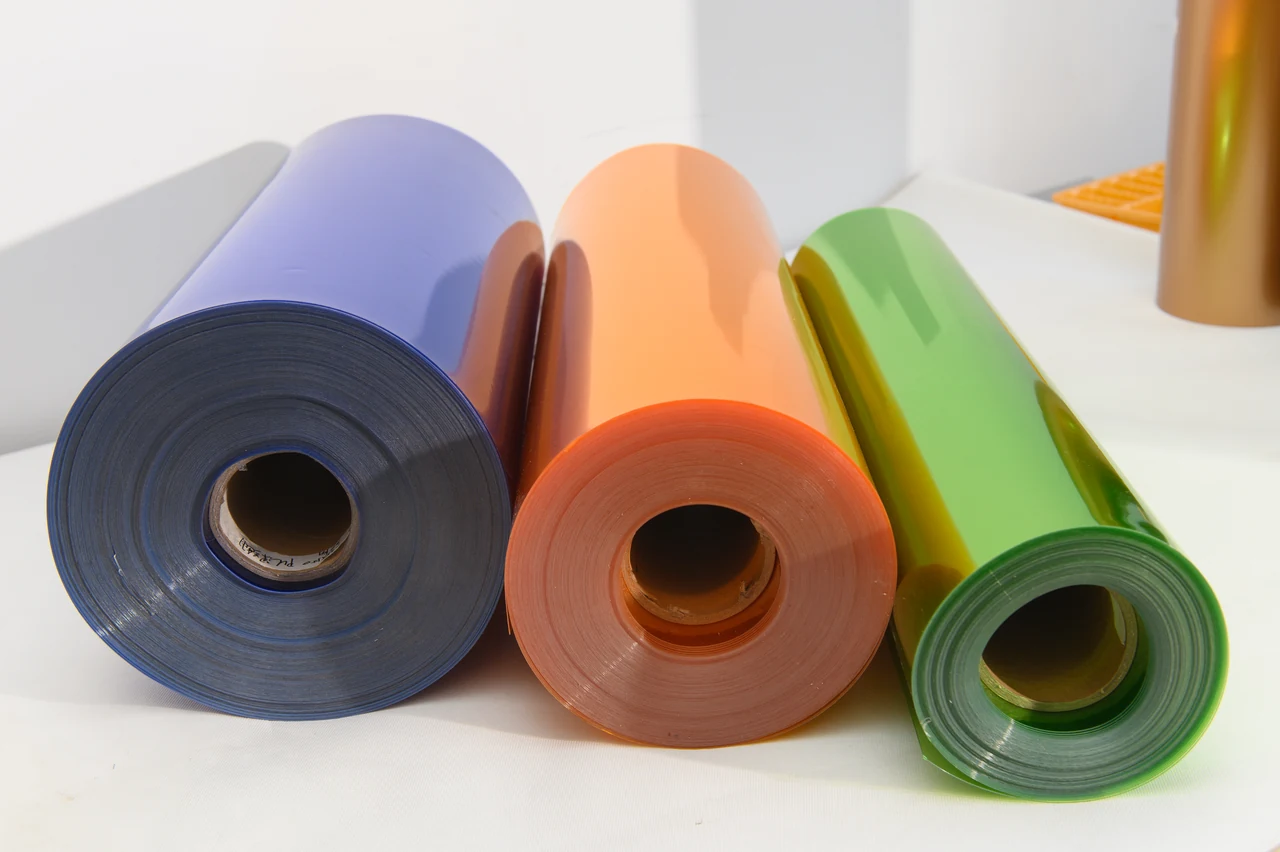
MATERIAL PHOTOGRAPHY
02 / SELECTION
For blisters and trays, share the draw depth, corners, flange and closure design. Include the mating card, film or other component when asking about sealing or assembly.
For boxes, describe the crease method, fold direction and appearance expected at the score lines. Include limits for visible whitening or cracking and check a folded sample.
Describe the expected transport temperatures, impact exposure and product contact. Share destination-market and customer material requirements early so the proposed specification can be reviewed against them.
03 / APPLICATIONS
For hardware and consumer-product packaging, review visibility, cavity fit, edge quality and the method used to close or attach the pack.
Compare the required clarity, print appearance and fold quality. Provide a dieline or assembled sample, including any glued or joined areas.
Describe the supported product, compartment layout and handling conditions. For horticultural trays, include cell geometry, drainage details and intended exposure.
Application examples describe possible uses of the material family. Share the intended contents, conditions and documents required for your project.
04 / SHEETNEX SUPPLY REFERENCE
Rolls and cut sheets, with the final specification agreed for your order.
Widths shown are typical ranges. Other widths and structures can be discussed. Roll weight is separate from the order minimum; specification mix, thickness range, roll diameter and cut-sheet dimensions are confirmed with your quotation.
For most orders, production can be completed and the goods handed over to the carrier within 7 days after the order and specifications are confirmed. Transit time is additional and depends on the destination and shipping method. Large orders, custom specifications and special finishes require a separately confirmed production schedule.
05 / YOUR INQUIRY
Send the details you have. Mark anything still undecided for discussion.
Drawing, sample or dieline; forming, folding, printing and assembly methods.
Thickness, width or sheet size, colour, transparency and visible-surface requirements.
Contents, contact conditions, storage temperatures, transport exposure and expected handling.
Destination, customer material restrictions, test methods and the exact documents required.
06 / COMMON QUESTIONS
Describe both processes before selecting a sheet. A successful forming trial does not establish folding performance. Review the relevant material specification and test each operation on representative samples.
Send a close-up photo, sheet thickness, crease setup and fold sequence. State the appearance you need on the assembled box so the material and process can be reviewed together.
Give the expected minimum temperature, exposure duration and handling conditions. Ask for evaluation of the proposed sheet and formed part under those conditions, together with your acceptance criteria.
LET’S TALK MATERIALS
A drawing, sample photograph or equipment specification is a useful starting point.