Stiffness and impact
Consider how the part must stack, carry weight and withstand handling. A rigid tray and a container exposed to cold impacts may need different material choices.

MATERIAL GUIDE / PP
Polypropylene
Polypropylene is used for a wide range of thermoformed trays, containers and inserts. Its relatively low density makes it useful where material weight matters. Choosing the right sheet starts with the finished part, forming process and conditions during actual use.
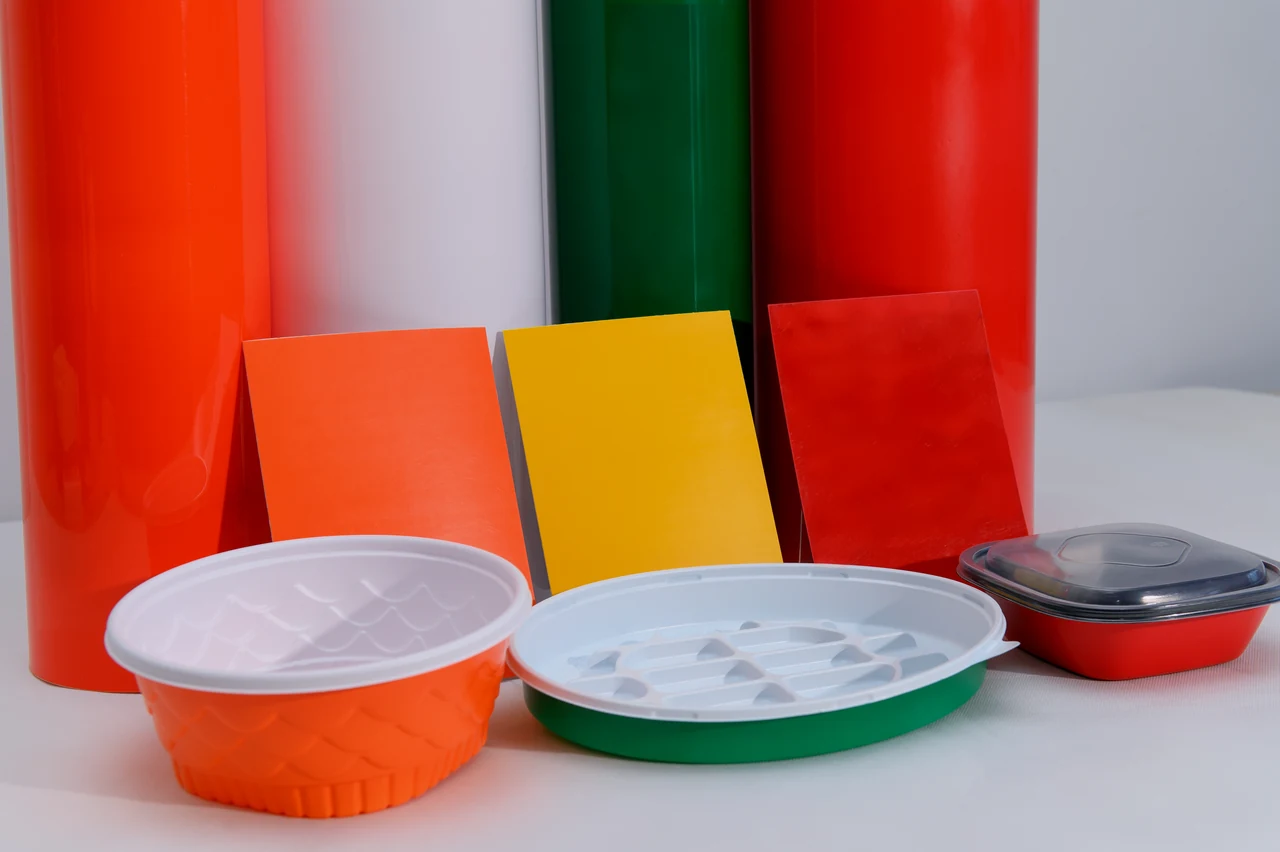
01 / MATERIAL BASICS
PP is a family of materials with different balances of stiffness, impact resistance and appearance. Homopolymer and copolymer grades are useful starting terms, but neither name defines every property. The formulation, sheet structure and finished-part design all influence how a pack forms, handles and performs.
Heating and freezing need particular attention. Some PP grades are used for microwaveable or frozen-food packaging, but suitability cannot be inferred from the material name alone. Temperature, exposure time, packed contents, loading and repeated cooling or reheating cycles should be considered together. Trial parts help assess the intended use.
This guide explains material families and selection considerations. Available specifications and suitability are reviewed for the selected grade and application.
MATERIAL PHOTOGRAPHY
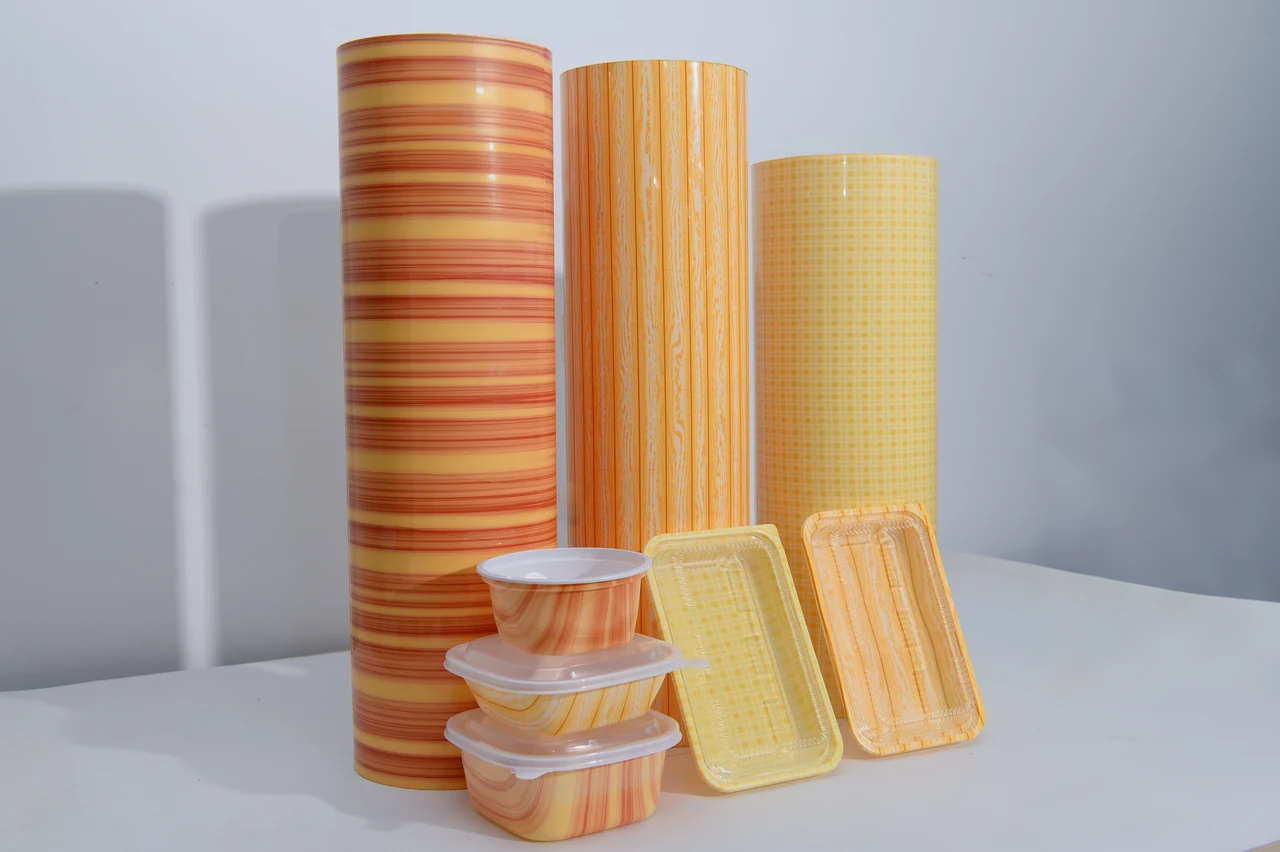

02 / SELECTION
Consider how the part must stack, carry weight and withstand handling. A rigid tray and a container exposed to cold impacts may need different material choices.
Define the required colour, translucency and surface appearance. Assess a formed sample under the lighting and viewing conditions used for the finished pack.
Part depth, corners and material distribution affect forming. If a lid is required, include its material and the intended sealing process in the specification.
03 / APPLICATIONS
Food packaging designs where part geometry, stacking and sealing requirements guide material selection.
Heated or frozen-food packaging projects requiring a suitable grade and finished-part evaluation.
Formed parts for organising or separating products, with handling and surface-contact requirements defined.
Application examples describe possible uses of the material family. Share the intended contents, conditions and documents required for your project.
04 / SHEETNEX SUPPLY REFERENCE
Rolls and cut sheets, with the final specification agreed for your order.
Widths shown are typical ranges. Other widths and structures can be discussed. Roll weight is separate from the order minimum; specification mix, thickness range, roll diameter and cut-sheet dimensions are confirmed with your quotation.
For most orders, production can be completed and the goods handed over to the carrier within 7 days after the order and specifications are confirmed. Transit time is additional and depends on the destination and shipping method. Large orders, custom specifications and special finishes require a separately confirmed production schedule.
05 / YOUR INQUIRY
Send the details you have. Mark anything still undecided for discussion.
Provide a drawing or reference, dimensions, contents, load and stacking arrangement.
Describe temperatures, exposure times, heating method and any freeze-thaw or reheating cycles.
Include equipment type, feed format, target thickness and width, and trimming or sealing details.
Specify colour, finish, destination market and any testing or food-contact documents required.
06 / COMMON QUESTIONS
No. Microwave suitability depends on the grade and complete packaging design, including the contents and heating conditions. Provide the intended use details so the material and any required testing can be assessed.
Yes. Start with the part dimensions, load, forming equipment and intended use. These provide a basis for discussing a trial specification; the final thickness should reflect forming results and the performance needed.
Follow your equipment's feeding arrangement. Include the required width and, for rolls, core and diameter limits. For sheet-fed equipment, provide the sheet dimensions and handling requirements.
LET’S TALK MATERIALS
A drawing, sample photograph or equipment specification is a useful starting point.